Mental Health: A Typeface with Authentic Character
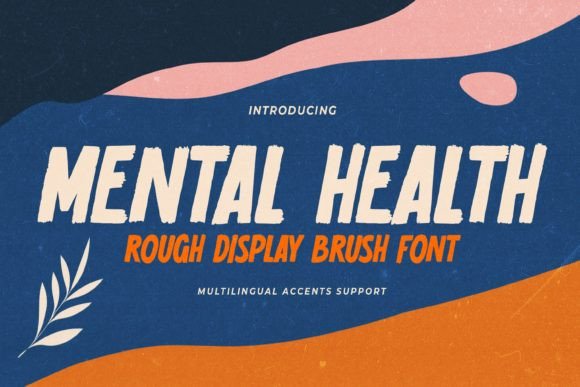
There’s a certain magic in a font that feels both handmade and polished. Mental Health, a premium display font, captures that balance perfectly. It’s a charming, authentic, and relaxed rough display typeface with a textured, classy, clear, and dramatic personality. At first glance, you notice the subtle imperfections in its strokes—a textured, almost letterpress-like quality that gives it warmth and honesty. The letterforms are clear and well-structured, ensuring readability despite their decorative nature, while the overall style feels both modern and timeless.
This isn’t a font that shouts; it speaks with confidence. Its rough edges and organic texture prevent it from feeling sterile or overly corporate, making it ideal for projects that aim to connect on a human level. Whether you’re designing a logo, crafting printed quotes, or developing product packaging, Mental Health brings a touch of authentic craftsmanship to your work.
Where Mental Health Truly Shines
The strength of Mental Health lies in its versatility across creative applications. It’s a creative font that adapts to context, making it a valuable design asset for various professionals. For logo design, its distinctive character helps brands stand out with a memorable mark that feels approachable yet professional. In editorial design, it works beautifully for headers, pull quotes, and chapter titles, adding visual interest without overwhelming body text.
Consider its application in packaging design. A gourmet food brand using Mental Health on its labels instantly communicates artisanal quality and care. The font’s textured appearance suggests something made with attention to detail, which can significantly influence consumer perception. Similarly, for wedding designs and special event invitations, its elegant yet relaxed style sets the perfect tone—formal enough for the occasion but personal enough to feel heartfelt.
Digital applications shouldn’t be overlooked either. When used for social media graphics or website headers, Mental Health cuts through the noise of generic sans serif fonts. Its unique personality helps content stand out in crowded feeds, making it particularly valuable for bloggers, content creators, and small business owners looking to strengthen their brand identity online.
The Practical Side: Choosing and Using Mental Health
As with any premium font, thoughtful implementation is key to success. Before selecting Mental Health for a project, consider your audience and the message you want to convey. This typeface works best when you want to communicate authenticity, creativity, and approachability. It might not be the right choice for highly technical or formal corporate communications, but for lifestyle brands, creative agencies, or personal projects, it’s often perfect.
Font pairing is where many designers can elevate their work. Mental Health, with its distinct personality, typically pairs well with cleaner, simpler typefaces. Consider using it alongside a neutral sans serif font for body text—this creates a clear visual hierarchy where your display text grabs attention while remaining readable. Alternatively, pairing it with a complementary serif font can create a more traditional, layered aesthetic. Always test your pairings at various sizes to ensure harmony and readability.
When evaluating Mental Health, review all included styles and weights. Many premium fonts come with multiple variations—alternates, ligatures, and stylistic sets—that can add even more versatility to your projects. Explore these options to find the perfect expression for your specific needs.
Readability is paramount, especially for smaller applications like product labels or digital interfaces. While Mental Health is designed with clarity in mind, always test it in context. Print samples at actual size, view digital mockups on different devices, and ensure your text remains legible against various backgrounds. Remember that display fonts like this are typically best used for headlines, logos, and short phrases rather than long paragraphs of body text.
Finally, consider licensing. If you’re using Mental Health for commercial projects—client work, products for sale, or business branding—ensure you have the appropriate commercial license. Understanding font licensing protects both you and your clients while supporting the designers who create these valuable assets.
Building Your Brand with Intentional Typography
Typography is a fundamental component of brand identity, and choosing a typeface like Mental Health is a strategic decision. The right font can influence how your audience perceives your brand before they read a single word. It sets expectations about your personality, values, and attention to detail.
For entrepreneurs and small business owners, consistent use of a distinctive font across all touchpoints—from your website to your business cards to your social media—builds recognition and professionalism. When someone sees Mental Health used in your materials, they begin to associate that visual style with your brand, creating a cohesive experience that feels intentional and trustworthy.
Marketers and publishers can leverage the font’s dramatic yet approachable quality to create compelling campaigns. A social media graphic using Mental Health for its headline will naturally draw the eye, while its authentic texture helps messages feel more genuine and less like generic advertising. In publishing, whether for book covers, magazine layouts, or blog headers, this typeface adds personality and visual interest that engages readers from the first glance.
Ultimately, fonts are tools for communication, and Mental Health is a particularly expressive one. Its charm lies in its ability to feel personal and crafted in an age of digital uniformity. By understanding its strengths and applying it thoughtfully, you can create designs that not only look beautiful but also connect meaningfully with your audience. It’s more than just a typeface—it’s a way to bring authenticity and character to your creative work.