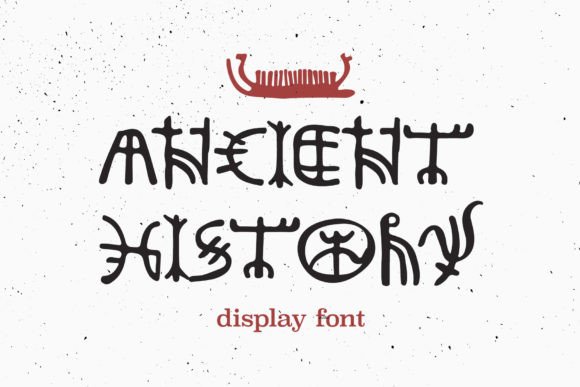
Ancient History: The Creative Font with Timeless Character
In a digital landscape saturated with clean sans serifs and minimalist scripts, finding a typeface that genuinely tells a story can feel like an archeological dig. When you need a design to evoke a sense of legacy, mystery, or classic storytelling without looking outdated, Ancient History steps into the spotlight. This unique display font bridges the gap between historical gravitas and modern whimsy, offering a distinct personality that can transform a standard layout into a conversation piece. It is not just a collection of letters; it is a design asset that brings a specific mood to your work.
Visual Characteristics and Design DNA
At its core, Ancient History is a serif font, but it moves away from the rigid geometry of modern typography. Instead, it leans into the imperfections and textures of hand-carved or aged lettering. The visual weight is substantial, giving it a commanding presence even at smaller sizes. The serifs are pronounced, providing a classic foundation, but the stroke modulation—the variation in thickness between the thick and thin parts of the letters—feels organic rather than mathematically precise.
What makes this premium font stand out is its "whimsical accent." It doesn't feel dusty or overly archaic. There is a playful curve to certain terminals and a rhythmic flow in the spacing that keeps it feeling fresh. It captures the spirit of history without the heaviness often associated with vintage typefaces. Whether you are working on a logo design or a headline, the font’s character is immediately apparent, offering a warmth that sterile geometric fonts often lack.
Strategic Applications: Where Ancient History Shines
Understanding where a display font fits is crucial for brand consistency. Ancient History is versatile enough to cross boundaries between commercial and personal projects, but it excels in specific environments where atmosphere is key.
Branding and Logo Design
For entrepreneurs and small business owners, a logo is the handshake of the brand. If your business operates in the artisanal space—think craft breweries, boutique bakeries, outdoor adventure companies, or bookshops—Ancient History offers immediate brand recognition. It suggests authenticity and craftsmanship. However, because it is a creative font with a strong personality, it should be the focal point. Pairing it with a neutral sans serif font for body text ensures the logo remains legible while the brand voice remains distinct.
Editorial and Packaging Design
Publishers and content creators will find this typeface particularly useful for editorial design. It works beautifully for chapter headings, pull quotes, or magazine mastheads where you want to grab the reader's attention. In packaging design, especially for products that emphasize heritage or natural ingredients, the font adds a layer of storytelling. Imagine a hot sauce label or a heritage grain flour package; the font communicates quality and history before the customer even reads the ingredients.
Digital Presence and Social Media
In the realm of web design and social media graphics, standing out in a scroll is difficult. Ancient History is an excellent tool for creating high-impact headers that stop the thumb. It is particularly effective for bloggers covering history, travel, or literature. However, digital application requires care. Because it is a display typeface, using it for long paragraphs of web copy can hinder readability. Instead, use it for H1 and H2 headers to establish visual hierarchy, then switch to a legible serif or sans serif for the body text.
The Psychology of Typography and Audience Engagement
Fonts do more than spell words; they set expectations. When an audience sees Ancient History, they subconsciously process cues related to tradition, stability, and creativity. This influences brand perception significantly. For a marketer, this is a powerful tool. If you are launching a campaign for a museum exhibit, a historical fiction novel, or a heritage collection, this font signals to the audience that the content is worth their time.
Visual hierarchy is another area where this typeface excels. By using Ancient History for your primary headlines, you create a clear distinction between different levels of information. This guides the eye naturally, improving the overall user experience of your design. It creates a rhythm: the bold, historical flair of the headline draws the user in, while the cleaner body text delivers the information efficiently.
Practical Guide: Working with Ancient History
Integrating a creative font into your workflow requires more than just installation. To get the most out of Ancient History, consider these practical design observations.
Evaluating Font Pairings
The success of Ancient History often depends on its partner. Because it has high character and detail, it pairs best with simpler fonts. A geometric sans serif font (like Montserrat or Lato) provides a clean, modern contrast that makes the display font pop. Alternatively, pairing it with a very clean serif font can create a sophisticated, literary look. Avoid pairing it with other decorative fonts, script fonts, or handwritten fonts, as this will create visual chaos and reduce legibility.
Readability and Hierarchy
As a general rule in typography, display fonts are designed for impact, not extended reading. Use Ancient History for short bursts of text: titles, subheadings, logos, and call-to-action buttons. If you try to use it for a 12-point paragraph, the unique details of the letters may become muddy or distracting. Respect the font's strengths by giving it space. Let the tracking (letter spacing) breathe a little; display fonts often benefit from slightly looser spacing to let their shapes fully form.
Checking Styles and Licensing
Before finalizing a project, review the font files included with your download. A high-quality commercial font often includes stylistic alternates or ligatures. These features allow you to customize the look of specific letter combinations, making your design feel more bespoke. Furthermore, always verify the licensing. If you are using Ancient History for a client’s logo design or a commercial product run, ensure your license covers commercial use. Most premium fonts offer different tiers for desktop (print) and web (digital) usage.
Real-World Scenario: The Travel Blogger
Imagine a travel blogger focusing on historical sites. They want their brand to feel adventurous yet knowledgeable. They select Ancient History for their blog header and Instagram profile name. They pair it with a light, airy sans serif for their captions. The result? The blog immediately feels established and authoritative. The font choice tells the audience, "I explore the old world," without a single word of copy being read. This is the power of strategic typeface selection.
Ancient History is more than just a font; it is a bridge to the past that fits perfectly into modern design workflows. By leveraging its unique blend of serif stability and whimsical flair, designers and creators can inject personality and depth into any project, ensuring their work is not only seen but remembered.